
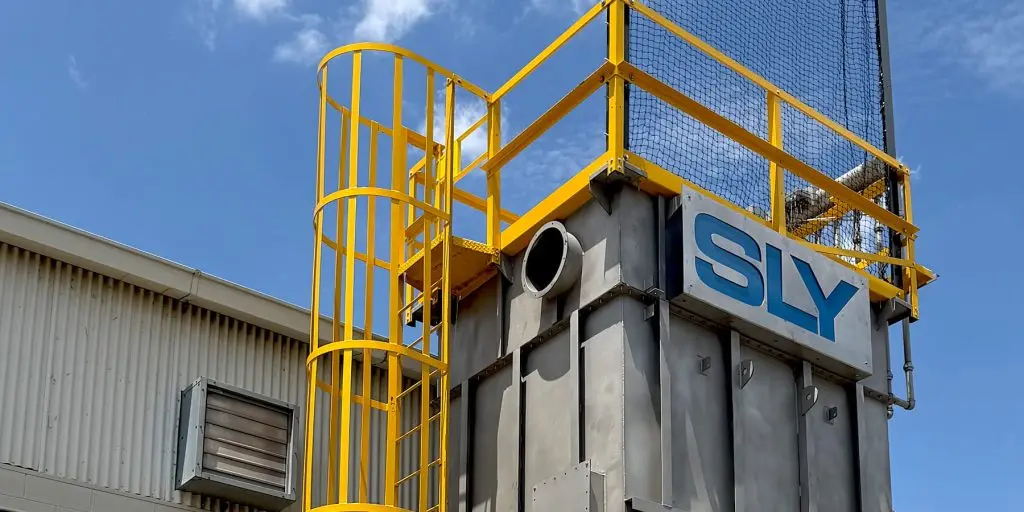
Industrial Baghouse Manufacturer
First in Fabric Filtration. First in the U.S. Patent Office.
Engineered Baghouse Systems Built for Demanding Industrial Applications
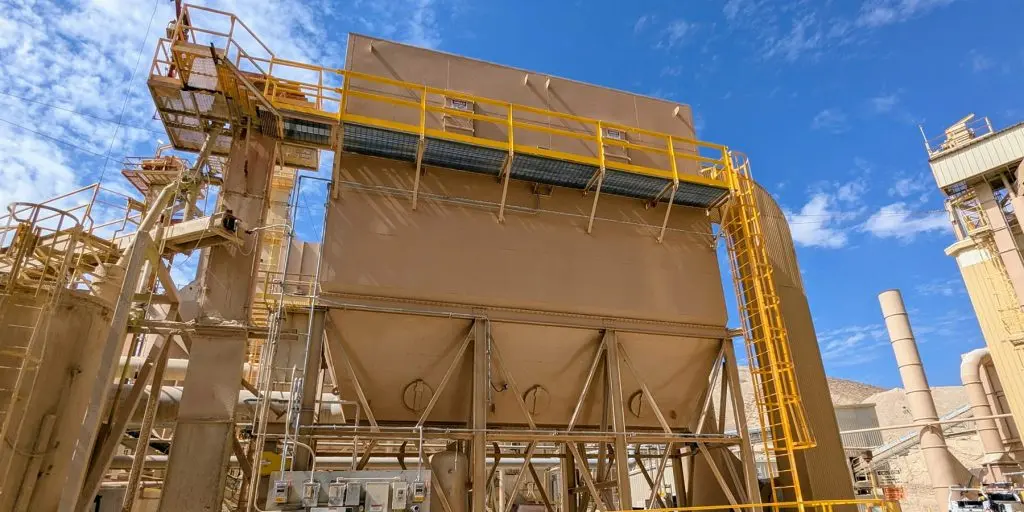
For more than 150 years, Sly has designed and manufactured custom industrial baghouse dust collectors that deliver reliable particulate control across some of the most demanding applications in manufacturing: cement and minerals, chemicals and carbon black, power generation, food processing, metals, lithium and battery recycling, and beyond. We hold the first U.S. patent for a cloth-type dust collector. Every system we build today is still engineered the same way it was then, around the specific conditions of your process.
Request a Quote
Why Choose Sly as Your Baghouse Manufacturer?
150+ Years of Manufacturing Experience
Custom Engineered Systems
Made in USA
High Collection Efficiency
Designed for Challenging Dust
Nationwide Engineering Support
Replacement Parts & Service
Why Custom Engineering Matters
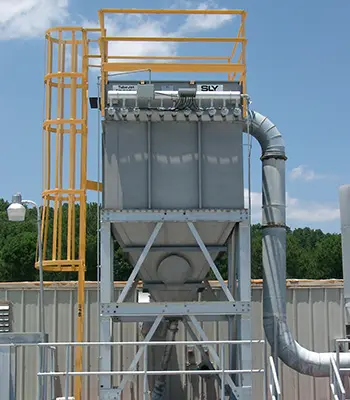
No two facilities process dust the same way, even when they’re running the same material. For example, two cement plants can require entirely different baghouse systems depending on operating temperature, dust loading, moisture content, abrasiveness, and available airflow. A system sized and specified for one set of conditions will underperform, wear out prematurely, or fail to meet compliance requirements when those conditions change.
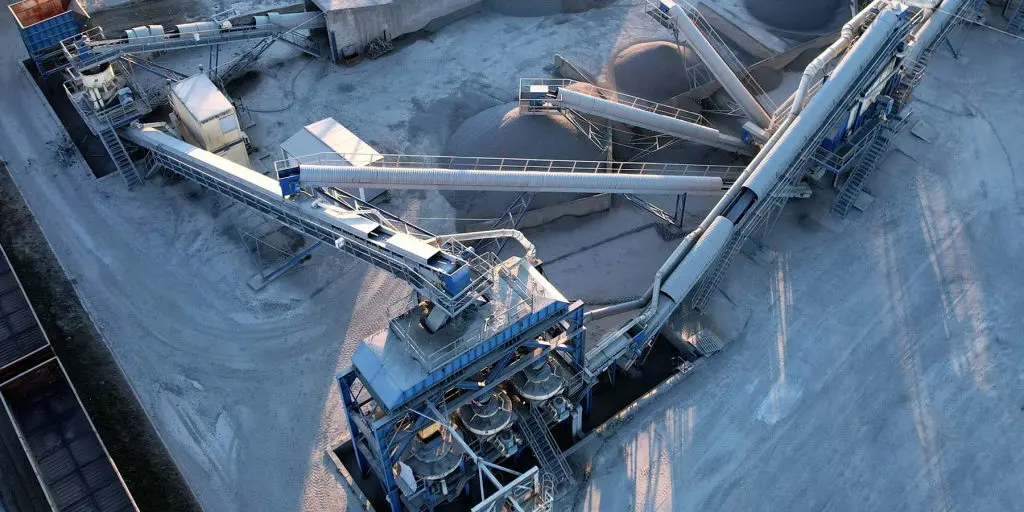
Sly engineers each baghouse around the actual parameters of your application, not the nearest catalog match. The variables that determine the right system include:
- Temperature — elevated exhaust temperatures affect filter media selection and housing materials
- Dust loading — high inlet grain loading changes cleaning frequency, hopper capacity, and air-to-cloth ratio requirements
- Abrasiveness — highly abrasive particulate requires reinforced inlet designs and wear-resistant steel to prevent premature housing failure
- Moisture and humidity — condensation risk influences cleaning method selection and can rule out certain filter media entirely
- Airflow volume and velocity — inlet velocity must be controlled to avoid direct impingement on filter bags, which shortens bag life
Getting these factors right from the start is the difference between a dust collection system that runs reliably for decades and one that requires constant intervention.
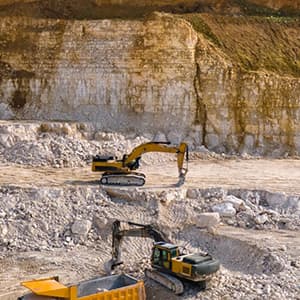
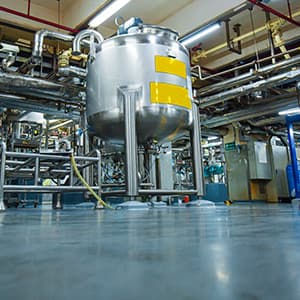
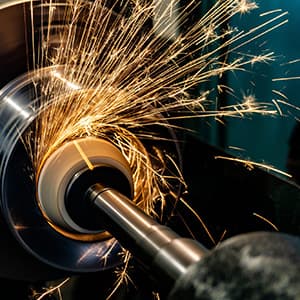
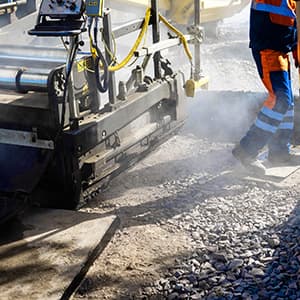
Industries We Serve



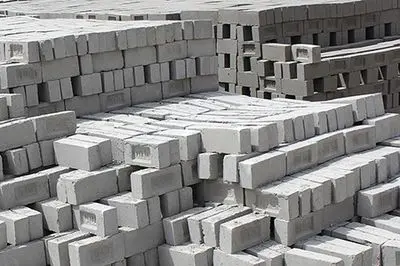


Applications
Product Recovery
Dust Collection
Filtration
Material Handling
Combustible Dust
Process Ventilation
Pollution Control
Air Quality
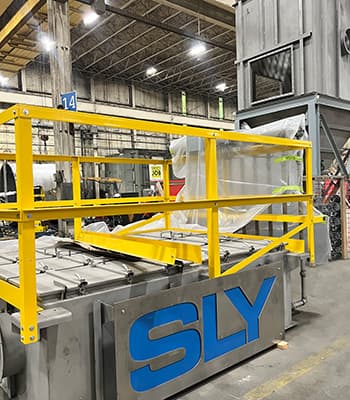
Our Baghouse Manufacturing Process
01
Design Consultation
02
Process Review
03
Engineering
04
Manufacturing
05
Factory Testing
06
Installation Support
07
Long-Term Service
FAQs – Baghouses
What should I look for in a baghouse manufacturer?
With more than 150 years in the air pollution control industry, Sly has designed and manufactured baghouse dust collectors for a wider range of applications than most suppliers will encounter in their entire history. When evaluating a baghouse manufacturer, look for demonstrated engineering depth, in-house fabrication capability, named product lines with documented performance, and aftermarket support you can count on over the life of the system. A manufacturer worth working with will assess your specific application conditions before recommending anything, including dust type, operating temperatures, airflow, moisture, space constraints, and any combustibility or compliance requirements.
Can baghouses be custom engineered?
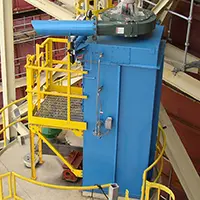
Yes. Most industrial applications require some level of customization. A standard catalog unit rarely accounts for the specific combination of dust characteristics, inlet velocity requirements, space limitations, and cleaning method required by a given facility. Sly engineers each baghouse to suit your process conditions, including custom housing configurations, abrasion-resistant components, modified hoppers, HEPA integration, and explosion protection where required.
How long does a baghouse last?
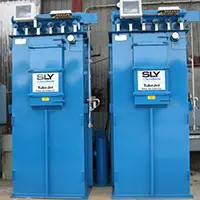
A well-engineered baghouse can remain in service for decades. The housing itself commonly lasts 20 years or longer when properly designed and maintained. Filter bag life varies by dust type, cleaning frequency, and operating conditions, but Sly’s TubeJet collectors have documented cases of original filter bags running continuously since 2006 with only monthly pulse cleaning required. The key is proper engineering from the start: correct air-to-cloth ratio, appropriate media selection, and cleaning controls matched to your actual dust load. Systems designed around the application rather than around a catalog spec consistently outperform and outlast generic equipment. Sly baghouse dust collectors are designed to achieve collection efficiencies of 99% or greater.
What industries use industrial baghouses?
Baghouse dust collectors are used across virtually every industry where airborne particulate must be captured and controlled. Sly serves power generation, sand and aggregates, mining and minerals, cement and asphalt, carbon black, chemicals and plastics, lithium production and battery recycling, rare earth processing, biomass and waste-to-energy, food processing, metalworking, and pharmaceutical manufacturing, among others. Applications range from standard particulate control to high-temperature, high-moisture, combustible dust, and regulated-emissions environments that require more than off-the-shelf equipment.
Can existing baghouses be upgraded?
Yes. Sly offers retrofits and upgrades for aging or underperforming collectors, including its own legacy units and many competitor designs. Common upgrade scenarios include replacing worn inlet components with abrasion-resistant fabrications, adding explosion protection to bring a collector into compliance with NFPA standards, upgrading filter media, and modifying cleaning systems to reduce compressed air consumption or extend bag life. In some cases, a drop-in replacement collector is more cost-effective than continued repairs on a worn unit.
Does Sly manufacture replacement baghouses?
Yes. Sly designs and manufactures baghouse dust collectors at its fabrication facility, including the TubeJet baghouse line. Systems are engineered to order around your application requirements. When a direct replacement is needed, Sly can also engineer a new collector to match the physical footprint and connections of an existing unit, minimizing installation time and avoiding costly facility modifications.
Do you provide replacement filter bags?
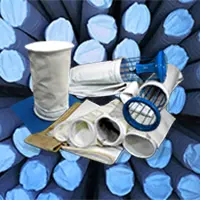
Yes. Sly supplies replacement filter bags for its own collectors as well as many competitor units. Filter media options include polyester, fiberglass, aramid, P-84, Teflon, polypropylene, and other specialized materials selected based on the dust type, operating temperature, and chemical environment of your application. Sly also offers its proprietary SlyMax high-efficiency filter media for demanding applications.
How do I size a baghouse?
Baghouse sizing is determined by several interrelated factors: the volume of air to be processed (typically expressed in cubic feet per minute), the type and concentration of dust in the airstream, the required air-to-cloth ratio for the filter media, inlet velocity, hopper capacity, and the cleaning method. Getting this right requires understanding the full process, not just the airflow number. Undersized collectors lead to high pressure drop and shortened filter life; oversized ones can cause dust to fall back through filters during cleaning. Sly’s engineers work through each of these parameters with you before specifying a system.
Can Sly retrofit an existing collector?
Yes. Sly has experience retrofitting both its own legacy equipment and collectors from other manufacturers. Retrofit work ranges from replacing worn or non-compliant components to converting an older shaker or reverse-air collector to pulse-jet cleaning. If your existing collector is structurally sound but underperforming, a targeted retrofit is often a faster and more cost-effective path than a full replacement. Sly will assess the existing unit and recommend the approach that best fits your operational and budget requirements.
Featured Resources
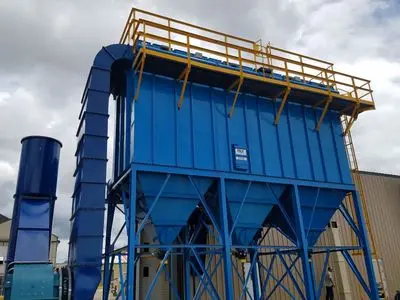
What Is a Baghouse?
A baghouse is an industrial air pollution control system that uses fabric filter bags to capture airborne dust and particulates, achieving high filtration efficiency across various processing industries.
Baghouse Maintenance
Optimize your dust collection system’s efficiency with Sly’s free baghouse maintenance checklist. Access inspection logs, essential terminology, and static pressure data charts to extend equipment performance and life.
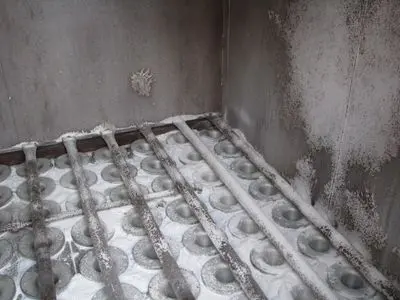
Differential Pressure
Learn how monitoring differential pressure across baghouse filter bags helps identify leaks, filter blinding, and cleaning system failures early, thereby maintaining peak filtration efficiency and extending bag life.
How to Design a Dust Collection System
Learn how to design an efficient industrial dust collection system. This comprehensive guide covers identifying collection points, calculating air volume, hood design, and proper ductwork sizing for regulatory compliance.
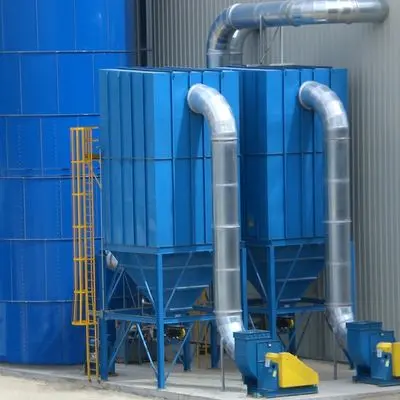
Baghouse Troubleshooting
Learn essential troubleshooting basics for pulse-jet dust collectors. Discover how monitoring differential pressure helps identify issues with filter bags, compressed air, and ductwork to maintain peak system efficiency.
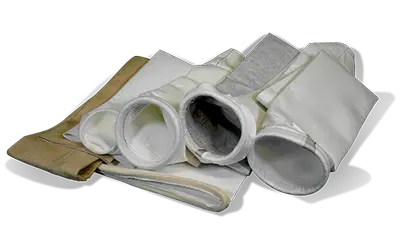
Filter Media
Optimize your dust collection system’s efficiency with Sly’s free baghouse maintenance checklist. Access inspection logs, essential terminology, and static pressure data charts to extend equipment performance and life.
Let’s Design the Right Baghouse for Your Process
Talk with one of our application engineers.