
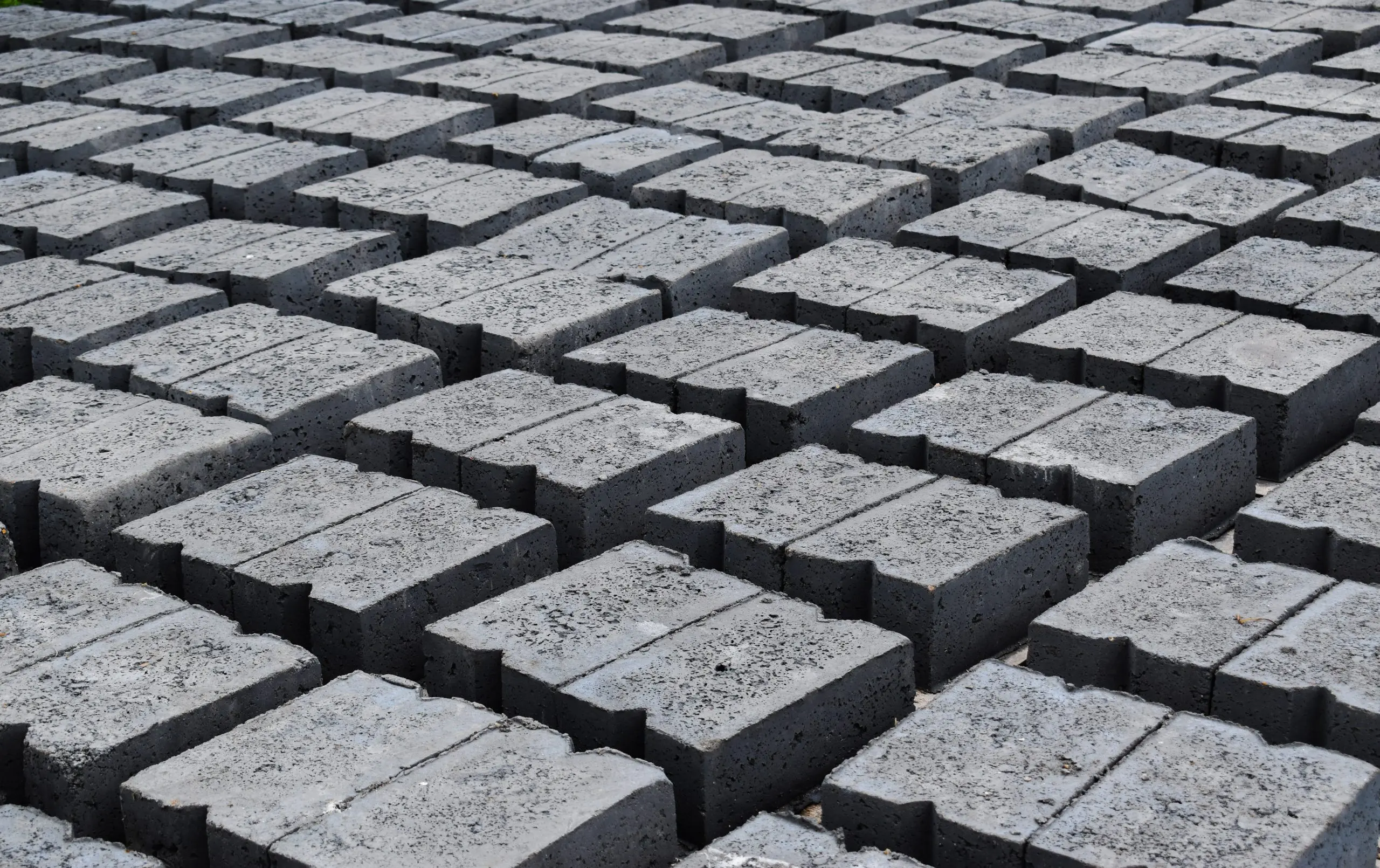
Fly ash, a fine powdery byproduct of coal combustion, poses significant challenges in industrial settings. If not appropriately managed, this substance can cause serious environmental and health issues. Despite its problematic nature, fly ash offers valuable commercial uses, making its effective control essential. Understanding its properties and implementing robust dust control systems can transform a waste product into a useful resource.
The Importance of Effective Fly Ash Dust Control
Managing fly ash dust is essential for several reasons, impacting health, compliance, and operational efficiency. Key benefits include:
- Health Protection: Reduces health risks for workers as inhaling fine particles can cause respiratory issues.
- Regulatory Compliance: Helps maintain compliance with environmental regulations, avoiding costly fines.
- Operational Efficiency: Minimizes equipment wear and tear caused by abrasive particles.
- Resource Repurposing: Allows for the repurposing of fly ash in commercial applications like cement production.
- Work Environment: Contributes to a safer and cleaner workplace, fostering better employee productivity and morale.
A well-designed dust control system provides these benefits, ensuring safety and efficiency.
Challenges in Fly Ash Dust Control
Fly ash dust control presents several challenges. First, fly ash’s fine, abrasive nature makes it difficult to capture and handle. It’s prone to becoming airborne, which complicates containment efforts.
Additionally, high dust loads and temperatures require durable, abrasion-resistant materials for equipment. Traditional dust collection systems often struggle with high-volume demands, leading to frequent maintenance and downtime.
Finally, ensuring compliance with stringent environmental regulations adds another layer of complexity, necessitating precise system design and regular monitoring to maintain effectiveness.
Key Features of a Robust Fly Ash Dust Collection System
Creating an efficient fly ash dust control system is paramount for maintaining a safe and compliant work environment. Here are key features to look for in an effective fly ash dust collection system:
- Durable Materials: Constructed from high-carbon alloy steel or other abrasion-resistant materials to withstand the abrasive nature of fly ash.
- Efficient Cooling: Systems must include mechanisms to cool the airflow below 350°F before entering the baghouse.
- High Dust Load Handling: Capable of managing several hundred grains per cubic foot of air, ensuring efficient operation even under heavy dust loads.
- Prefilter Cyclones: Uses cyclones as prefilters to extend the life of the baghouse by removing larger particles and reducing dust loads before they enter the main filtration system.
- Advanced Filtration Media: Features specialized filter media like P-84 or Teflon, which offer excellent tensile strength and resistance to high temperatures.
- Modular Design: Allows for easy maintenance and scalability, ensuring the system can be tailored to specific requirements.
- Automatic Cleaning Systems: Employs advanced cleaning mechanisms such as pulse jet or reverse air collectors to keep filters clean and maintain efficiency.
- Energy Efficiency: Includes features like “on-demand” cleaning systems that optimize energy use by activating only when necessary.
- Compliance with Regulations: Designed to meet stringent environmental regulations and safety standards, including explosion protection measures where needed.
These features collectively contribute to a dust collection system capable of effectively managing fly ash, ensuring operational efficiency, and minimizing downtime.
Types of Dust Collectors
Various types of dust collectors tackle different industrial needs. Selecting the right fly ash dust control type depends on specific application requirements. Here are some common types:
- TubeJet Pulse Jet Collectors: These collectors are known for their efficient cleaning and easy maintenance, as well as their suitability for high-temperature and high-pressure environments.
- Cartridge Dust Collectors: Cartridge collectors are ideal for capturing dry, free-flowing dust. They have features like easy cartridge removal and low headroom requirements.
- Reverse Air Collectors: These energy-saving collectors use medium or low-pressure reverse air for cleaning filter bags, making them cost-effective.
- Legacy Dust Collectors: Replacement parts on our older models, such as Pactecons, Dynaclones, and Shaker-cleaned collectors, are still available. Selecting the right dust collector ensures optimal fly ash management, promoting a safer and more efficient workplace.
Optimize Your Fly Ash Management
Effectively managing fly ash dust is crucial for safety, compliance, and operational efficiency. A robust dust collection system tailored to your specific needs can make a significant difference. To explore custom solutions for your facility, request a quote from Sly Inc. and enhance your dust control strategy.