
Wave of the Future: Dried Palm Fronds a Prickly Bioenergy Source
Industry: Bioenergy / Biomass
Application
Palm Frond Drying and Dust Collection
Case Study Highlights
The system was designed for a bioenergy plant using palm fronds as biomass feedstock for electricity production.
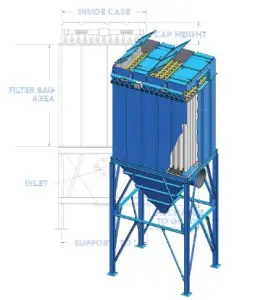
Captures lightweight palm frond drying particulates
High rear inlet accommodates low-density dust
Five explosion relief vents provide protection
Baghouse rated for 140 MPH winds
Walk-in plenum simplifies filter bag access
Integrates with Carrier Vibrating fluidized bed dryer

The Challenge:
Managing Lightweight, Potentially Combustible Palm Frond Dust
A bioenergy facility needed to capture particulates created while drying palm fronds for use as biomass fuel. The dried material had a low bulk density and potential combustibility, requiring a dust collection system adapted to those characteristics. The facility was also located in a region prone to severe weather.
Challenges included:
- Low-density dust created material-handling concerns
- Potentially combustible particulates required explosion relief venting
- Conventional hopper inlet was unsuitable for lightweight material
- Facility required equipment capable of severe-weather exposure
The Solution:
Modified Sly Baghouse for Palm Frond Processing
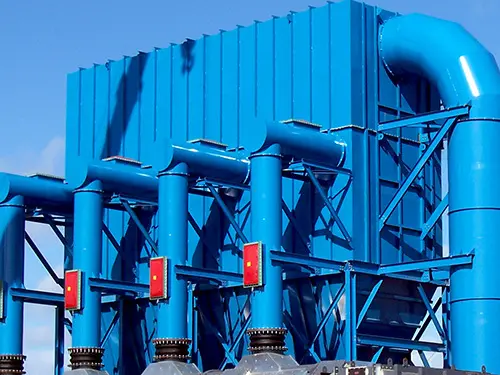
Sly installed a baghouse dust collection system with modifications designed around the lightweight palm frond dust. The system incorporated a high rear inlet instead of a traditional hopper inlet, explosion relief venting, a walk-in plenum, and structural reinforcement for winds up to 140 MPH. It operated as part of a processing stream that also included a Carrier Vibrating fluidized bed dryer.
This approach provided several advantages:
- High rear inlet accommodates low-density particulates
- Explosion relief vents address combustible material hazards
- Walk-in plenum provides easier filter bag access
- Cross-braced construction supports 140 MPH wind rating

System Specifications
Air-to-Cloth Ratio
5.65:1
Explosion Venting
Five 36-inch square vents
Discharge
70-degree hopper with 12-inch screw conveyor
The baghouse also contained 714 grounded, 16-ounce SIPE filter bags measuring 10 feet long.
The Results:
Integrated Dust Collection for Biomass Drying
The completed system provided a dust collection solution specifically configured for the palm frond drying process, including provisions for lightweight dust, combustible material, equipment access, and severe weather.
Key Results:
- Integrated with Carrier Vibrating fluidized bed drying system
- High rear inlet addressed low-density material characteristics
- Five explosion relief vents incorporated into baghouse
- Baghouse rated for winds up to 140 MPH
Why Sly Dust Collectors Work for Biomass Drying Applications
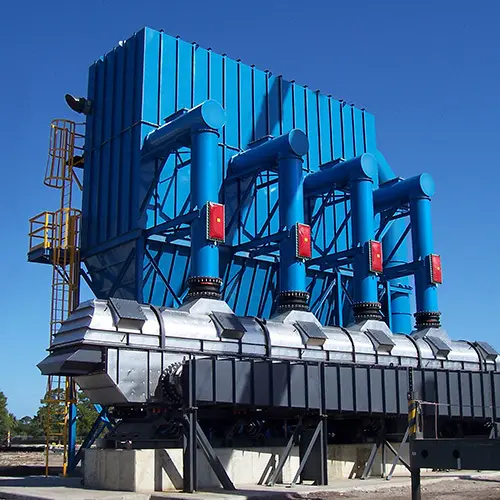
Sly dust collection equipment can be configured for airborne particulates generated during biomass drying and processing. In this application, modifications including a high rear inlet, explosion relief venting, grounded filter bags, a walk-in plenum, and reinforced structural construction addressed the specific characteristics of dried palm frond dust and the facility environment.
FAQs
What type of dust collector can be used for biomass drying?
Baghouse dust collectors can be configured to capture airborne particulates generated during biomass drying and processing. Sly notes that its equipment can address both nuisance and process dust in wet or dry collection applications.
Why can lightweight biomass dust require a special baghouse inlet?
Low-bulk-density materials may require a different inlet configuration. For the palm frond application, Sly used a high rear inlet rather than a traditional hopper inlet to address the lightweight material and interstitial velocity concerns.
How can dust collectors address combustible biomass particulates?
The palm frond baghouse incorporated explosion relief venting because biomass feedstock processed for fuel can require explosion protection based on the baghouse size and material characteristics.
Can baghouses be designed for severe weather conditions?
Yes. The baghouse in this application was constructed with larger, cross-braced beams and rated for winds up to 140 MPH because the facility was located in a hurricane-prone region.
What biomass materials can require specialized dust collection?
The case study specifically addresses palm fronds and notes that similar high-rear-inlet modifications may be considered for other lightweight biomass feedstocks, including paper or cardboard from commercial waste.
Why Sly?

Sly configured the dust collection equipment around the specific characteristics of the biomass process rather than using a standard arrangement. The company also worked within a processing stream incorporating a Carrier Vibrating fluidized bed dryer, providing coordinated equipment for biomass drying and particulate collection.