

Dry Dust Collector Filter Bags
Filter Bags for Maximum Effectiveness.
Types of Dust Collector Filter Bags
The information provided on this website is intended as a guide for filter bag applications. SLY, LLC. makes no guarantee about the performance or results you can expect from the application of this information unless provided in writing from our staff. The type of filter bag you’ll need to operate your dust collector at maximum effectiveness and efficiency will depend on your machine type and the specific operating conditions. See below for more information on what filter bag is best for your application.
Cotton (CT)
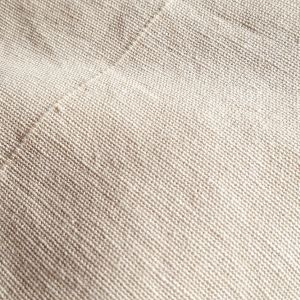
Cotton (woven)
Normal maximum continuous operating temperature is 180°F. Used mostly on shaker-type collectors, general applications include cleaning rooms, atmospheric air cleaning, woodworking applications, cement and rock products, and other general applications handling ambient air.
Polyester (PE)
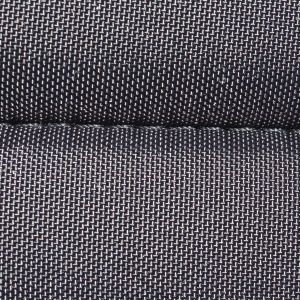
Polyester
Normal maximum continuous operating temperature is 275°F. Polyester felts offer excellent resistance to chemicals, abrasion, and dry heat degradation. They offer exceptional dimensional stability and are the most common filter bags used today.
High Efficiency Felts (SlyHE)

High Efficiency Felts (SlyHE, MPS)
When you need a more efficient filter bag, but don’t want to pay the extreme cost of a PTFE membrane filter, Sly offers its “SlyHE” felt.
Polypropylene (PP)
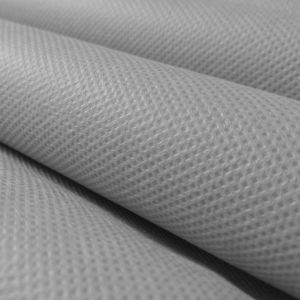
Normal maximum continuous operating temperature is 170°F. Polypropylene felt is used for general applications where chemicals and moisture attack other fibers. Polypropylenes offer high strength and excellent resistance to most acids and alkalis.
Nylon (NYL)

Nylon (Cerex®)
Normal maximum continuous operating temperature is 250°F. Nylon felt is typically used for highly abrasive dust applications. It has good resistance to alkalis under most conditions, but most mineral oxides cause degradation and partial decomposition.
Acrylic (AC)
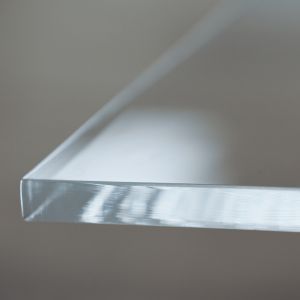
Acrylic (Homopolymer Acrylic Felt)
Normal maximum continuous operating temperature is 275°F. General applications include Dryers, Electric furnaces, Aluminum reduction, and Primary or secondary smelting. The chemical resistance is satisfactory to most mineral and organic acids.
High-Temperature Filter Media Choices
Click on the media name below for media details, finish types, and available fabric weights.
Aramid (MX)
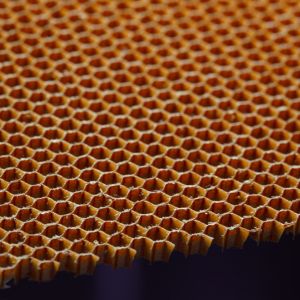
Aramid (Nomex®)
Normal maximum continuous operating temperature is 375°F. General applications for Aramid felt include Highly abrasive dust applications, Electric arc furnaces, High-temperature dryers, Cupolas, and chemical applications where high temperatures exist.
Fiberglass (FG)
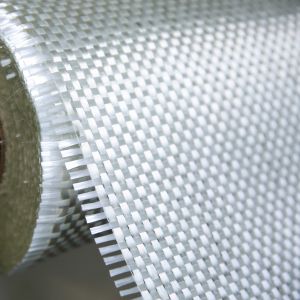
Normal continuous operating temperature is 500°F. General applications include Cement kilns, High-temperature dryers, Carbon black reactors, Power plants, and Electric furnaces. Fiberglass has excellent resistance to most acids, but is attacked by hydrofluoric acid.
P-84 (PM)

P84® (Polyimide)
Normal maximum continuous operating temperature is 500°F. Common applications for this felt include: smelters, dryers, coal-fired boilers, incinerators, kilns, and calciners. P-84 is nonflammable and not hydroscopic.
PPS (Polyphenylene Sulfide)

PPS (Polyphenylene Sulfide)
(Commonly known brands: Ryton® or Procon®) Normal maximum continuous operating temperature is 375°F. Common applications include Coal-fired boilers, Incinerators, Fluidized bed systems, cement mills, oil and gas firings, asphalt plants, and Pulverized coal injection systems.
Teflon (TX)

Teflon® (Fluorocarbon fiber)
Normal maximum continuous operating temperature is 500°F. Generally used for severe chemical environments at high temperatures. Common applications include coal-fired power plants, cement production, and steel foundries.
SlyMax

If you need a better efficiency than standard 16 oz. polyester will provide, but don’t need the ultra-high efficiency of SlyHe (High Efficiency) or a PTFE membrane bag (SlyTex), try our 16 or 18 oz. /yd2 duo-density polyester felt (SlyMax).
Filter Bag Finishes
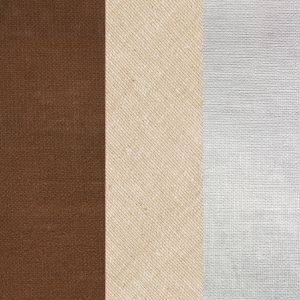
Sly’s finish treatments can greatly improve your filter bag life, cake release, resistance to abrasion, static dissipation, and protection from harsh application conditions. Our fabric treatments combined with various medias of different types and weight can provide the best possible filter media choice for your demanding application. How a fabric filter media is finished depends upon the desired physical specifications, surface finish and requirements of the application.
The information provided on this website is intended as a guide for filter bag applications. SLY, LLC. makes no guarantee about the performance or results you can expect from the application of this information unless provided in writing from our staff.
Featured Resources
Your Comprehensive Guide to Dust Collector Maintenance
Now that you have the right dust collection system designed and installed, you want to make sure that it’s running at its optimal efficiency. For improved performance and reliability of your dust collection equipment, Sly recommends a schedule of routine inspections and the timely repair of damaged or malfunctioning equipment.
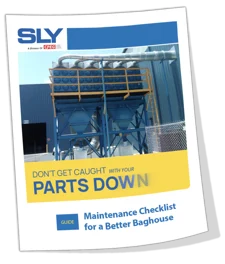
Maintenance Checklist for a Better Baghouse
Now that you have the right dust collection system designed and installed, you want to make sure that it’s running at its optimal efficiency. For improved performance and reliability of your dust collection equipment, Sly recommends a schedule of routine inspections and the timely repair of damaged or malfunctioning equipment.
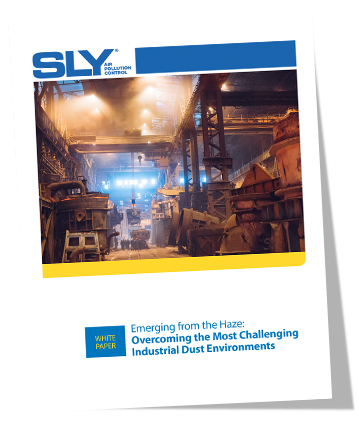
Overcoming the Most Challenging Industrial Dust Environments
Do you know all you can about the challenging industrial dust environment? In this white paper, you’ll learn why being flexible is the excellent solution for dust collection: The Importance of Dust Control, The Confluence of Kst and Pmax for Combustibility, Conducting a Dust Hazard Analysis, Case Study on a Customized Solution
FAQs – Dry Dust Collector Filter Bags
What types of filter bag media are available for dry dust collectors?
We offer a wide range of media, including polyester (PE), polypropylene (PP), aramid (Nomex®), acrylic, nylon (Cerex®), and high-efficiency felts (SlyHE/MPS) – each engineered for different temperature ranges, chemical exposure, and dust characteristics. Choosing the right media ensures optimal performance and longer bag life.
How do I choose the right filter bag for my application?
Selecting the right filter bag depends on:
- Operating temperature
- Dust type and abrasiveness
- Chemical exposure
- Moisture content
Our engineers evaluate these factors to recommend media and bag styles that match your system’s airflow, duty cycle, and environmental conditions.
Can I use these filter bags in any type of dust collector?
Yes, Sly supplies filter bags compatible with most dry dust collectors, including baghouses, cartridge collectors, and shaker systems. We also provide guidance on media selection and sizing to ensure proper fit and performance.
What are the benefits of higher-efficiency filter media like SlyHE or MPS?
High-efficiency felts (such as SlyHE and MPS) offer micro-pore filtration that captures finer particulate while maintaining airflow and reducing pressure drop. They provide a cost-effective alternative to PTFE media for fine, free-flowing dust and liquid slurry applications.
How often should filter bags be replaced?
Bag life varies with dust load, operating conditions, and media type. You should monitor:
- Pressure drop trends
- Filter blinding
- Physical wear
When performance drops or media shows abrasion or chemical degradation, replacement is recommended to maintain compliance and efficiency. Sly can help develop a maintenance and replacement schedule.
Does Sly offer aftermarket support and parts?
Absolutely. We provide a comprehensive range of OEM-quality filter bags, cages, valves, timer boards, and related parts, plus aftermarket support including media upgrades, retrofit kits, and performance troubleshooting to help extend collector life and reduce downtime.