
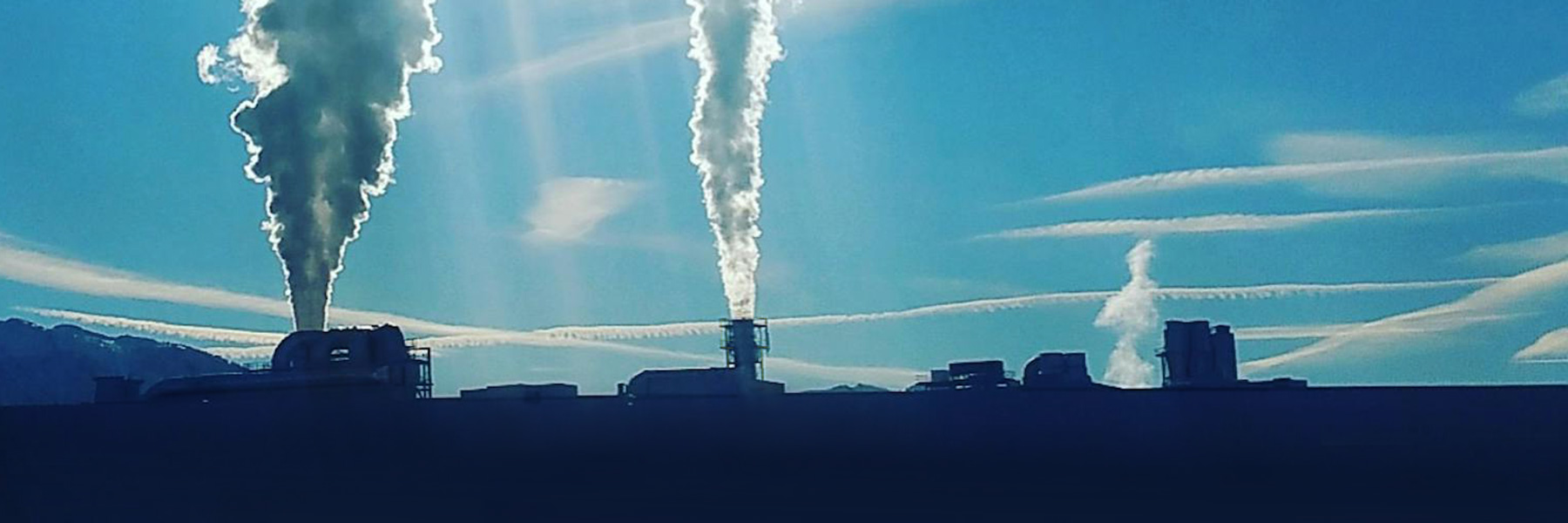
Oil & gas
We Specialize in Managing Fumes and Dust for Oil and Gas Manufacturers.
Dust Collection in the Oil & Gas Industry
The oil and gas industry relies heavily on specialized equipment throughout its exploration, extraction, refining, storage, and distribution stages. Dust, fumes, and gas may be generated during each of these stages. This encompasses a wide range of products, including the following:
Infrastructure components for oil and gas transmission pipelines, distribution pipelines, drilling rigs, and offshore platforms.
Storage tanks and pressure vessels, tankers, barges, and specialized tanker trucks and railcars.
Infrastructure and equipment for refining facilities during separation, conversion, and treatment.
Drilling equipment designed for high-temperature and high-pressure environments.
Equipment for the Oil & Gas Industry
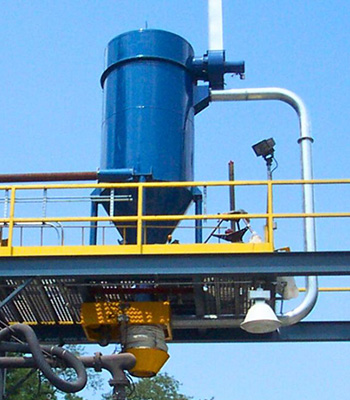
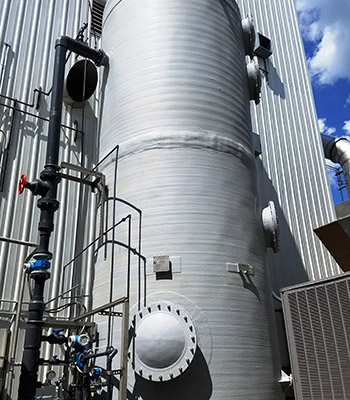
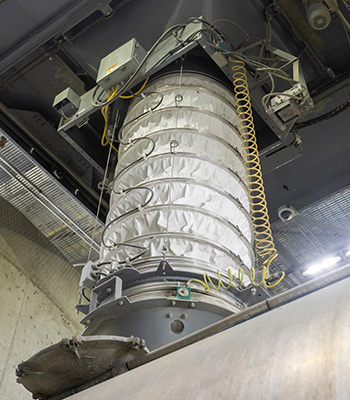

Sly offers a complete line of wet scrubber and dry dust collection equipment. Our technicians draw upon industry knowledge gathered during our 150-year history to help tailor the best system for your needs. Packed tower scrubbers are designed for chemical scrubbing of contaminants from gas streams. Contact Sly to design, fabricate, and install a wet scrubber system tailored to your oil and gas operations.
Navigating the Challenges: Dust & Fume Collection
In addition to these challenges, the oil and gas manufacturing industry faces specific dust and fume collection concerns. For instance, welding of heavy equipment and pipelines, a common practice in this industry, generates toxic fumes that pose risks to worker health. The volume and composition of weld fumes vary depending on the materials and processes used, often containing toxic elements like hexavalent chromium, manganese, nickel, and beryllium. Uncontrolled exposure to these fumes can lead to various health issues, including manganese and lung cancer.
Moreover, cutting and grinding heavy steel in the oil and gas industry produces significant amounts of dust. This dust irritates the lungs, poses toxicity risks when inhaled or ingested, and can potentially damage other equipment and processes. Containing and controlling this heavy dust can be a challenge.
Corrosion resistance is also crucial for equipment used in the oil and gas industry due to highly corrosive environments and prolonged exposure. However, the materials and coatings used to enhance corrosion resistance often contain highly toxic elements like cadmium, further increasing the danger associated with working with dust or fumes.
Controlling Dust in Oil and Gas Drilling: Ensuring Safety and Sustainability
Furthermore, it is worth mentioning the importance of controlling the dust generated during drilling for oil and gas, particularly in the context of fracking. Fracking involves the use of sand as an abrasive for the drill bit. Sand plants that provide the fracking sand to the oil and gas industry play a significant role in managing the dust generated during this process. Both wet scrubbers and dry dust collectors are utilized, depending on the application and the plant’s capacity to handle the waste from wet scrubbers.
By addressing these challenges and implementing appropriate dust collection measures, the oil and gas industry can ensure the safety and well-being of its workers while minimizing environmental impacts.
Solutions for Dust and Fumes in the Oil and Gas Manufacturing Industry


At Sly, we specialize in managing fumes and dust for oil and gas manufacturers. Whether it’s pipeline production, fracking, or drilling equipment manufacturing, we provide thorough process analysis, identify challenges, and deliver customized air quality solutions tailored to your requirements. For industry-standard guidance and advice, please feel free to contact our team.
Featured Resources
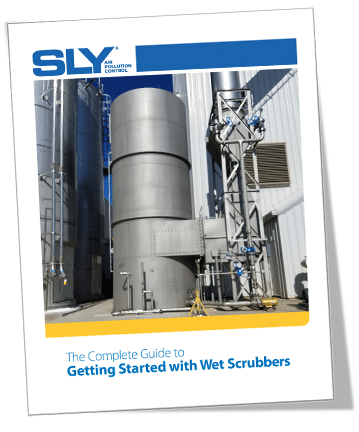
The Complete Guide to Getting Started with Wet Scrubbers
The first step to getting the best wet scrubbing system possible is knowing what your application needs. Sly’s newest resource, The Complete Guide to Getting Started with Wet Scrubbers, details everything you need to know about wet scrubbers and how to make the right selection for your facility.