

Mining & Minerals
With Sly, Dust Collection Has Never Been Easier.
Dust Collection for Mining & Mineral Processing
Controlling dust emissions from mining processing is a challenge. Equipment like crushers, screens, and conveyor transfer points can all contribute to dust pollution. Mining companies collaborate with regulatory bodies like the Mine Safety and Health Administration (MSHA) and the Environmental Protection Agency (EPA) to address this concern. These agencies impose strict limits on dust emissions, and exceeding these limits can result in production disruptions and fines. Thus, selecting appropriate dust control equipment is crucial.
Some mining processes may require the capture of gas contaminants. Wet scrubbers are highly effective at collecting these contaminants and neutralizing them.
Reducing emissions helps comply with regulations, promotes the well-being of personnel, and improves air quality in surrounding areas. It also minimizes wear and tear on production equipment.
By implementing an efficient dust collection system, mining operations can ensure reliable performance and simplified maintenance.

Dust Collectors for the Mining Industry: What Every Engineer Should Know
Dust Collection Equipment
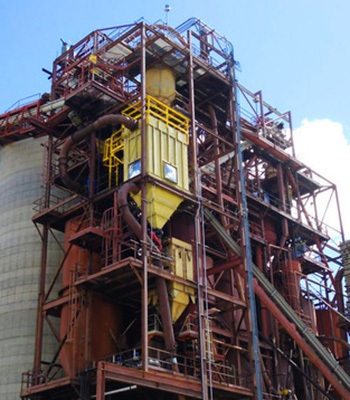
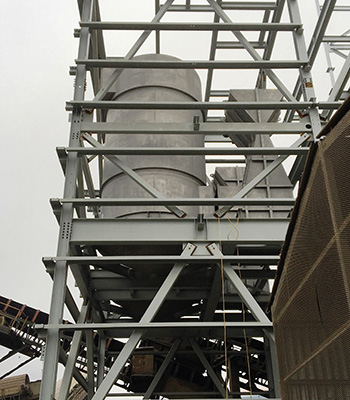
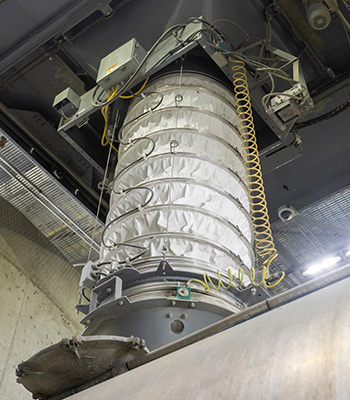

With Sly, dust collection has never been easier. Filter bag changes require no tools with Sly pulse jet top bag removal collectors. The TubeJet’s unique tool-less pulse pipe connection and rugged snap ring bag assembly make it possible. Large weather proof doors on the collector’s roof allow easy access for inspection and maintenance. Sly offers a complete line of dust collection equipment to keep mining operations clean from potentially combustible, hazardous dust and remove or recycle it into production. Contact us to design, fabricate, and install a dust collection system tailored to your mining and mineral processing operations.
Mining Applications
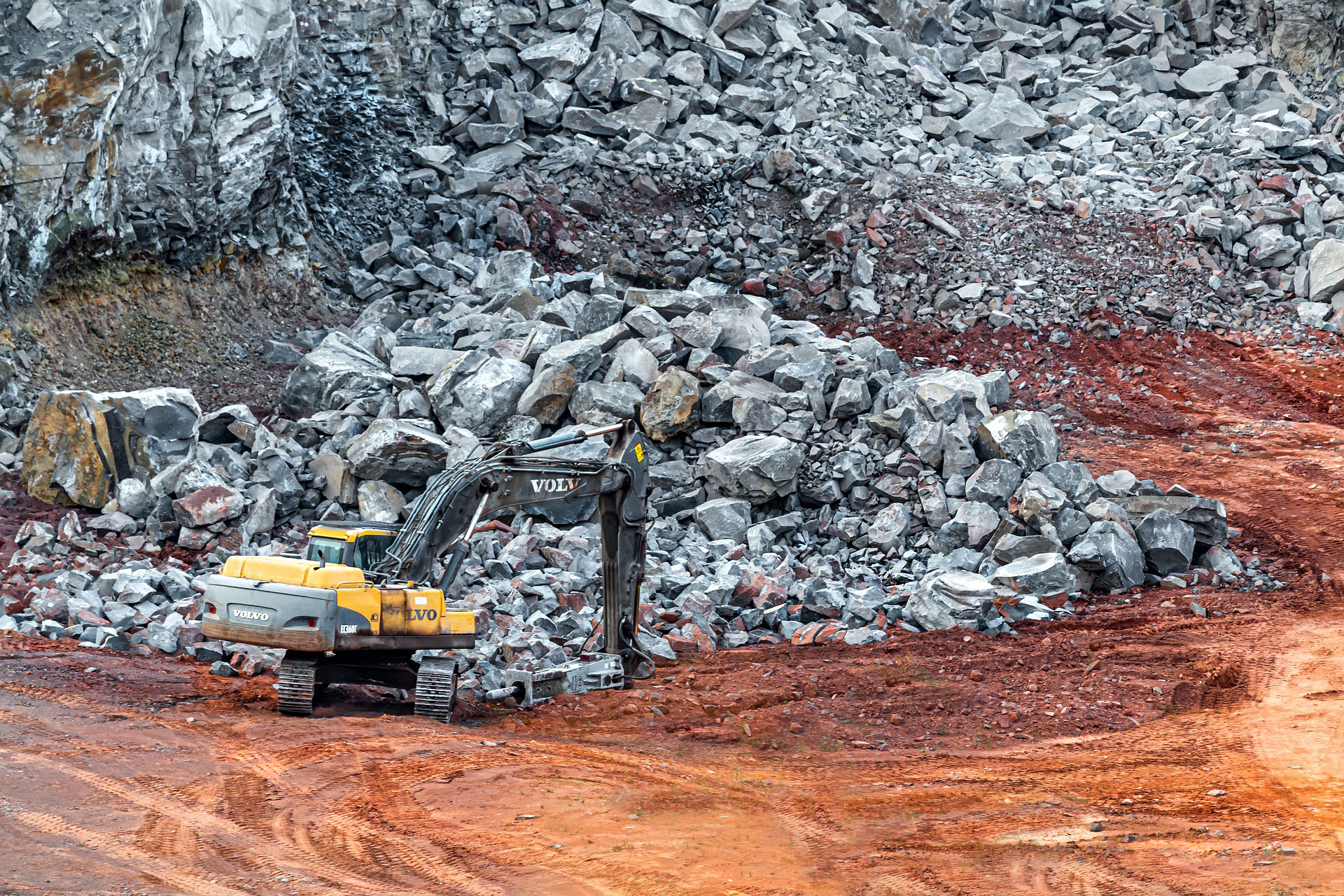
North America primarily focuses on sand, gravel, stone, and coal mining, with copper and iron extraction being the most common metal mining practices. Heavy and abrasive dust is generated at various stages of the mining process, including excavation sites and blending operations.
The mining industry can minimize environmental impact and protect the workforce and surrounding communities by adopting effective dust control measures.
The mining industry encompasses various excavation sites, including:
- Surface mining
- Open-pit mining
- Quarrying
- Mega-mining
- Open-cast mining
- Open-cut mining
Solutions for Mineral & Mining Dust Collection
A dust collection system is not only essential for safety and environmental concerns in mining and mineral processing operations but also brings many benefits. It enhances the overall process efficiency by minimizing dust accumulation in equipment and ducts, reducing clogging, excessive maintenance, and downtime.
Moreover, implementing a dust collection system aids operators in adhering to regulatory requirements, ensuring process emissions remain within acceptable limits. The collected dust can also be repurposed as a fuel source or feedstock for other processes, fostering a closed-loop system that curbs waste and decreases operating costs.
At Sly, we offer a comprehensive range of top-quality dust collection equipment, both wet and dry, designed to safeguard mineral and mining processing operations from potentially combustible and hazardous dust. Our systems efficiently remove or recycle dust, promoting cleanliness and productivity. Contact Sly today, and let us tailor a dust collection system to meet the unique needs of your bioprocessing operations.