

Cement & Asphalt
Our Solutions Address Various Pollutants, and Ensure You Have Cleaner and Safer Operations.
Dust Collection & Other Air Emission Solutions for Cement and Asphalt Plants in the Construction Industry
Dust collection and air emission control solutions are essential for cement and asphalt plants to meet environmental regulations, protect worker health, and improve operational efficiency. These solutions address various pollutants, including dust, particulate matter, and gaseous emissions, ensuring cleaner and safer operations.
Dust Collection Equipment for Cement & Asphalt

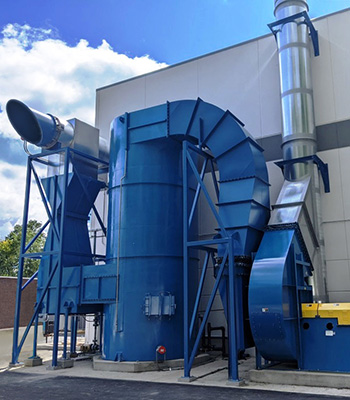
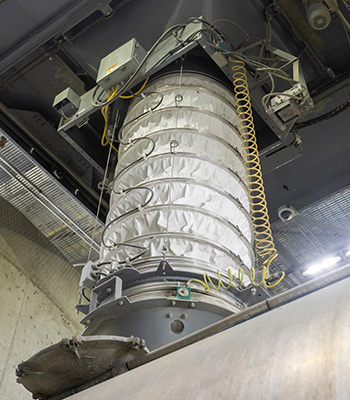

We offer a complete line of dust collection equipment, including bag houses and media selection for the filters, wet scrubbers, cyclones, and loading spouts. Our technicians can draw upon industry knowledge gathered during our 150-year history of designing and building proprietary systems for companies of all types. Ensure your environment is safe when processing carbon black with a proven solution.
Industry Challenges
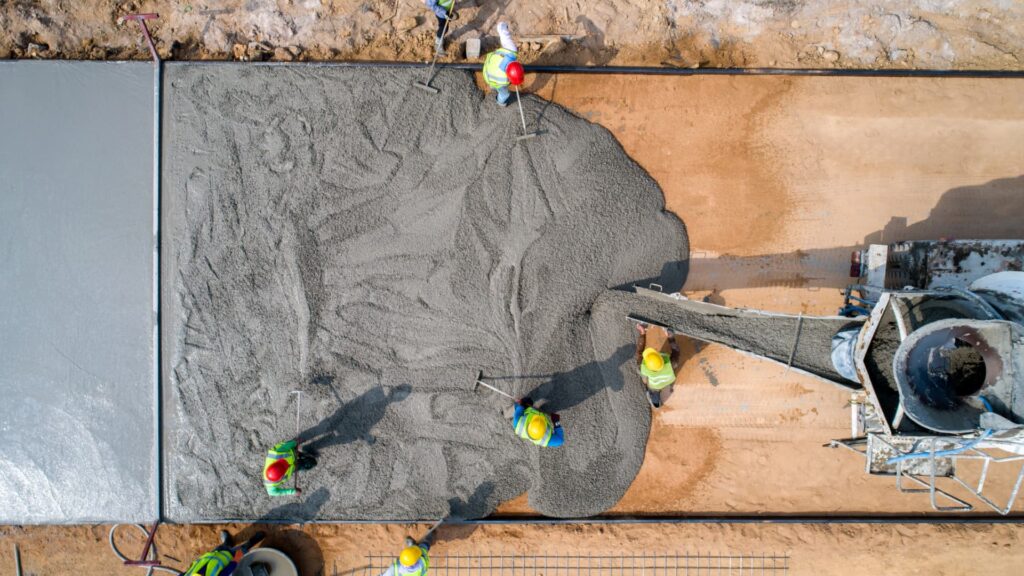
Asphalt plants, or asphalt pavement mixing facilities, are industrial operations that blend liquid asphalt binder with crushed rock, gravel, and sand to create pavement. A cement plant is an industrial facility specifically designed for cement production. The primary function of a cement plant is to transform raw materials, such as limestone and clay, into cement through a series of chemical and mechanical processes.
The emissions from both of these plants can pose risks to human health and the environment. These include volatile organic compounds, particulate matter, sulfur dioxide, and other constituents, which can all lead to respiratory and health concerns. Cement and asphalt plants must use proper emission control systems to remedy these concerns. These systems must efficiently collect dust or other pollutants while seamlessly integrating with the existing production infrastructure.
Dust Collection Solutions
Sly specializes in tailored dust collection solutions for cement and asphalt plants. Our systems help to enhance operational efficiency, reduce downtime, and ensure regulatory compliance. Effective dust collection systems help mitigate these issues by capturing and controlling dust emissions. Here are some of the key dust collection solutions used in the construction industry:
Baghouse Dust Collectors
Baghouse dust collectors are among cement and asphalt plants’ most common and efficient systems. They work by filtering dust-laden air through fabric filter bags. The dust particles are trapped on the surface of the bags while clean air passes through.
Advantages
High efficiency (up to 99.9%), can handle large volumes of dust, and suitable for a wide range of particle sizes.
Applications
Cement kilns, clinker coolers, grinding mills, and material handling systems.
Cartridge Dust Collectors
Cartridge dust collectors use cylindrical or oval-shaped filter elements (cartridges) instead of bags. These systems are suitable for capturing fine and light dust particles.
Advantages
Compact design, high filtration efficiency, easy maintenance, and quick filter replacement.
Applications
Raw material processing areas, finish mills, and smaller dust-producing operations within the plants.
Cyclone Dust Collectors
Cyclone dust collectors use centrifugal force to separate dust particles from the air. Dust-laden air enters the cyclone and is spun around, causing heavier particles to fall to the bottom while cleaner air exits through the top.
Advantages
Low operational costs, no moving parts, can handle high dust loads, and pre-cleaning before baghouses or cartridge filters.
Applications
Pre-treatment stages, capturing large and coarse particles from material handling and crushing operations.
Other Air Emission Solutions
Wet Scrubbers
Wet scrubbers use a liquid (usually water) to capture and remove dust particles and gaseous air pollutants. The dust-laden air is passed through a scrubbing liquid, which traps the dust particles and/or other pollutants.
Advantages
Effective for capturing fine dust and gaseous pollutants, can handle high temperatures and moist conditions, and reduces fire hazards.
Applications
Areas with high moisture content, emission control from kilns and dryers, and chemical processing areas.
Key Features of Our Dust Collection Systems
At Sly, we offer a comprehensive range of top-quality dust collection equipment, both wet and dry, designed to safeguard mineral and mining processing operations from potentially combustible and hazardous dust. Our systems efficiently remove or recycle dust, promoting cleanliness and productivity.
Contact Sly today, and let us tailor a dust collection system to meet the unique needs of your bioprocessing operations.
- High-Efficiency Filtration: Our systems employ advanced filtration technology to capture even the finest dust particles, promoting a cleaner work environment.
- Customized Design: We understand the specific requirements of each plant and offer customized solutions to optimize dust collection efficiency.
- Energy-Efficient Operation: Our systems are engineered for energy efficiency without compromising performance.
Case Studies & White Papers
Featured Resources

The Role of Dust Collectors in Cement Production
The production of Portland cement makes up approximately 90% of the total cement produced in the U.S. The main raw materials categories used to make Portland cement are lime, silica, alumina, and iron, but the process also consists of byproducts from other industries such as power plant fly ash, steel mill scale, and metal smelting slag.