
BIOMASS
Effective Dust Collection Systems Capture Airborne Particles, Minimizing Potential Hazards.
It’s Organic: Biomass Processing Equipment
Biomass processing converts organic matter into useful forms of energy or high-value end products. Energy generation can include biomass designated for biofuels, biogas, or electricity. Depending on the biomass source, moisture levels vary widely, ranging from less than 15% to more than 90%, which makes moisture removal a critical step in converting biomass to energy.
The drying process within a biomass facility generates a considerable amount of highly combustible dust, increasing risks of fires and explosions posing a significant hazard to worker health and safety, and damaging capital equipment.
Gas contaminants, (sulfer dioxide, hydrochloric acid, ammonia, and hydrogen sulfide) may exist in the exhaust stream as a result of processing. These gases can be captured and scrubbed with a wet scrubber such as Sly’s Packed Tower.
Effective dust collection systems capture airborne particles, minimizing potential hazards. Beyond safeguarding worker health and safety, these systems protect equipment, reduce maintenance needs, and help operators prevent environmental pollution or costly regulatory fines.

Discover How Dust Collection for Biomass Processing Can Reduce Hazards and Clear the Air
Dust Collection Equipment for Biomass
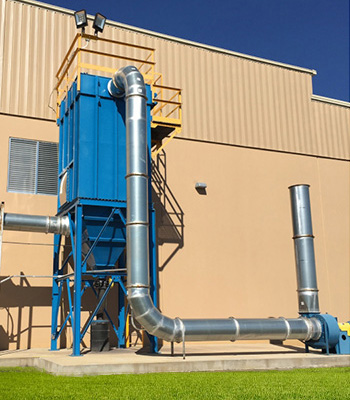
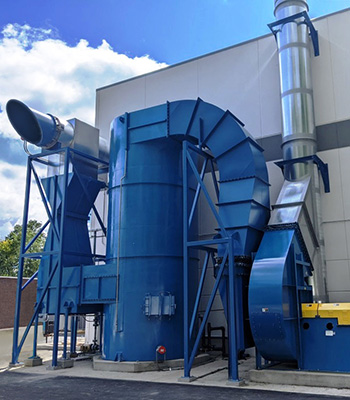
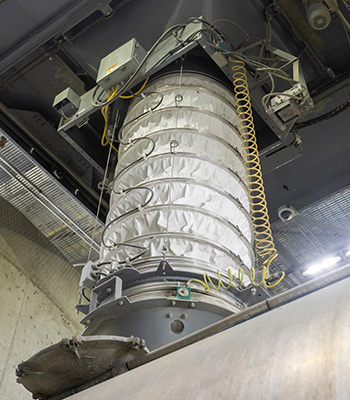

Sly offers a complete line of dust collection equipment to keep biomass processing operations clean from potentially combustible, hazardous dust and remove or recycle it into production. Contact us to design, fabricate, and install a dust collection system tailored to your bioprocessing operations.
While wood byproducts supply most biomass energy sources, operators continue to experiment with other forms of organic material, which generate different types of dust. One commonality is that the smaller and drier the dust particle, the more it lowers the ignition energy required for combustion. Types of biomass that could require a dust collection system can include:
- Agricultural crops and waste materials such as corn cobs and straw
- Palm fronds
- Sawdust and other wood processing waste
- Biogenic materials in municipal solid waste (i.e., paper, cotton, wool, yard waste)
- Animal manure and human sewage
- Algae
Partner With Experience
Biomass processing operations should work with a company like Sly LLC, which can offer decades of dust collection experience. We can and have designed dust collection systems for biomass processing operations, from specially constructed baghouses with modified inlets to cyclones and more. Typically, dust collection is installed directly after the dryer, but dust collection is also essential throughout the process of conveyance and transport. Processing operations that generate dust and require a baghouse or cyclone can include dryers (rotary, flash, superheated or fluid bed dryers), boilers, furnaces, kilns, separators, mills, pellet presses, conveyors, and transport.
The benefits of a dust collection system in biomass processing operations extend beyond safety and environmental concerns. It can also improve the overall process efficiency by reducing the amount of dust that accumulates in the equipment and ducts, which can lead to clogging, extra maintenance, and downtime. A dust collection system can also help operators comply with regulatory requirements to maintain process emissions within acceptable limits. Further, the collected dust can be reused as a fuel source or feedstock for other processes. This creates a closed-loop system that reduces waste and lowers operating costs.
Case Studies & White Papers
Featured Resources
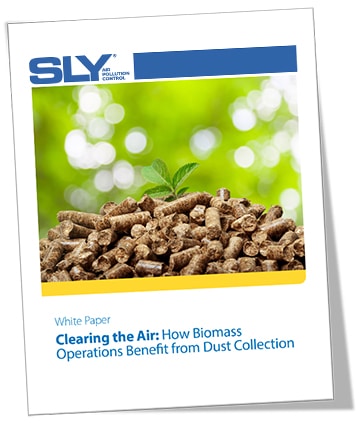
Discover How Dust Collection for Biomass Processing Can Reduce Hazards and Clear the Air in our White Paper
While biomass operations convert organic waste into clean energy or usable products, there are some instances during waste stream transport, drying and/or processing where nuisance dust or processing dust becomes an issue.
Effective Methods for Biomass Dust Collection
-

Improving Air Quality in Biomass Energy Facilities
Biomass fuels vary in size, moisture, and consistency. Drying and handling create fine dust clouds, while combustion adds more particulates.…
-

How Does a Biomass Dust Collector Work?
Fertilizer for the garden. Dish detergent by the kitchen sink. Electricity to power lights over your workspace. These are a
-
The Importance of Dust Safety in the Biomass Industry
While biomass has existed since the earth was formed, the past few decades have witnessed an increased interest in using
-
Top Reasons Why Biomass Dust Collection Demands a Customized Approach
Nations around the globe are looking for alternative fuels that are renewable, carbon neutral and/or can be used to break