

Lithium
Les processeurs au lithium peuvent compter sur Sly : en toute confiance.
Léger et précieux : les priorités dans la collecte des poussières de lithium
The recent surge in lithium demand has been driven by the shift from fossil fuel vehicles to electric vehicles (EVs) and the increase in electronic devices for educational, recreational, industrial, and commercial purposes. These drivers are expected to contribute to lithium market growth at an estimated CAGR of 12% through 2030.
Lithium is an element (atomic number 3) recovered either from lithium-bearing minerals through hard rock mining or extracted from salt flat brine. Its low atomic mass and small ionic radius are the key properties that make it well suited for battery production.
Those same properties give lithium-ion batteries high energy density, meaning more charge stored per unit of weight and volume than most other battery chemistries. While lithium has applications across several industries, it is most widely used in battery manufacturing.

Capturez chaque micron de lithium grâce aux systèmes éprouvés de collecte de poussière Sly.
Équipement de dépoussiérage pour le traitement du lithium
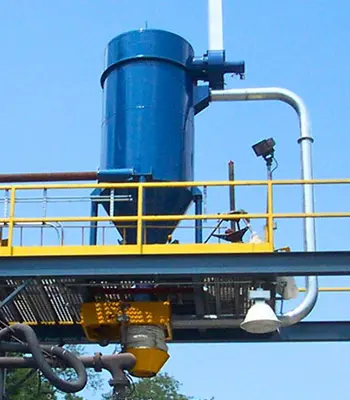
Collecteurs à jet pulsé CBR
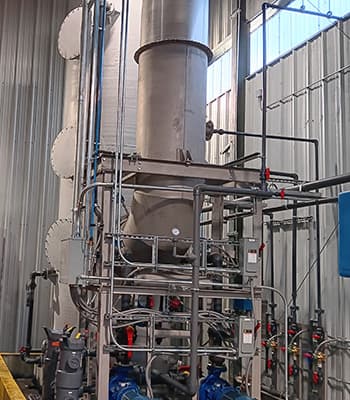
Épurateurs à tour garnie
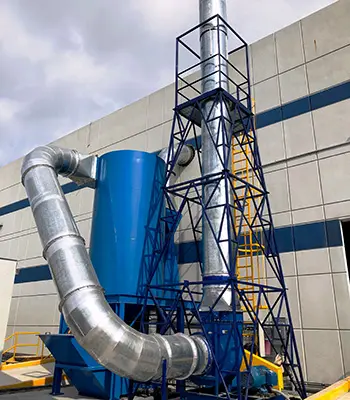
Épurateurs humides Venturi
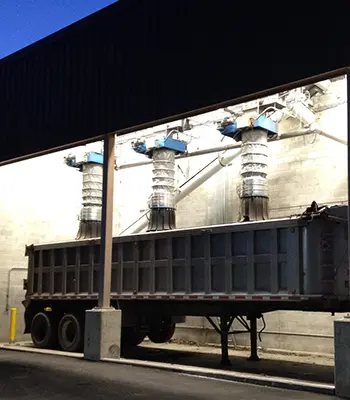
Becs de chargement

Sly propose une gamme complète d'équipements de dépoussiérage pour protéger les opérations de traitement du lithium contre les poussières combustibles et dangereuses, et pour les éliminer ou les recycler dans la production. Contactez-nous pour concevoir, fabriquer et installer un système de dépoussiérage adapté à vos opérations de traitement.
Metal oxides in lithium dust can cause respiratory health problems during mining and grinding operations. Proper dust capture recovers a precious resource and improves air quality within processing facilities.
Dust collection systems are used throughout the process stream, from initial mining through grinding and milling, to capture nuisance dust and recover valuable materials such as lithium carbonate and lithium hydroxide particles for further industrial use.
Sly LLC offers specialized designs that account for factors including the relationship between air-to-cloth ratio and interstitial velocity, media selection based on characteristics such as moisture levels and particle size, and cleaning cycle timing. Sly also treats confidentiality seriously when designing systems for customers with proprietary lithium processing operations. Lithium processors can count on Sly’s engineers, who bring more than 20 years of direct experience with lithium dust collection and a reputation for service and quality.

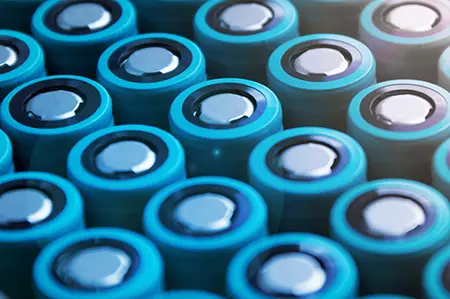
Lithium dust has low bulk density, making it highly mobile in an airstream, and it is also highly combustible. NFPA standards require facilities to conduct a Dust Hazard Analysis (DHA), which includes testing dust for its explosion potential (Kst value).
Factors Considered in System Design:
- Gas volume and airflow for system sizing
- Inlet location and placement, accounting for lithium’s low bulk density
- Filter media and bag type
- Explosion venting and explosion-proof electrical systems
- Electrical area classification based on installation location
- Electrical area classification based on installation location
Sly brings over 150 years of experience in dust collection and more than 20 years working specifically with lithium processing operations. Contact us today for a system design tailored to your process challenges. Improve your process efficiency and the air quality within your facility.
Études de cas et livres blancs
Ressources recommandées
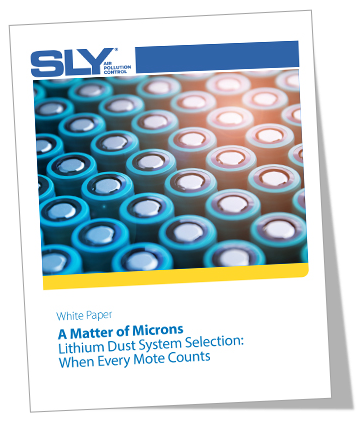
Capturez chaque micron de lithium grâce au système de dépoussiérage Sly LLC
As lithium demand explodes, processors race to maintain supply and keep their competitive edge. The challenge is safely and effectively capturing every particle of this valuable resource. Following the process from mining to milling, our new white paper explores the characteristics of lithium dust, the factors involved in system design to optimize capture, and the custom modifications available from Sly LLC.